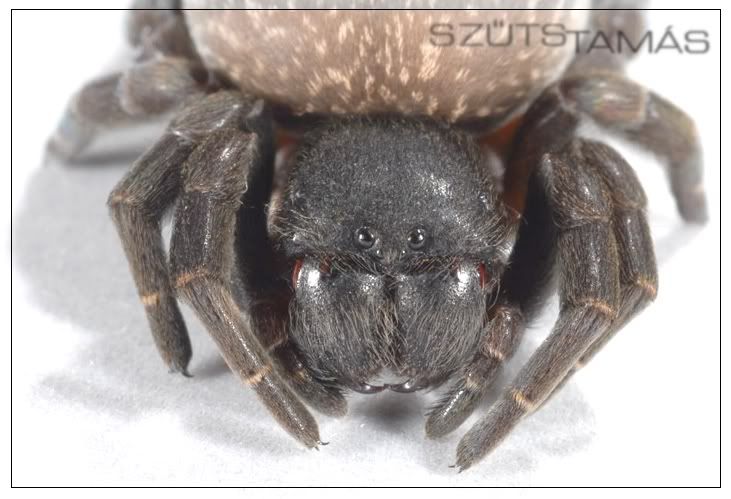
A kepen Dr Joel Ledford munkatarsam lathato, amint egy feltehetoleg Hysterocrates apostolicus peldanyt tart a csipeszen. Ez a kizarolag a São Tomé szigeten elo 3 Hysterocrates faj kozul a leggyakoribb...

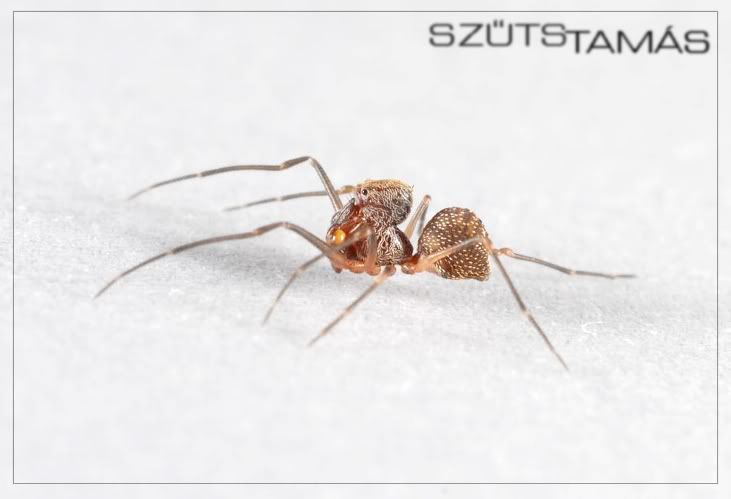
A 2009 madár(pók)távlatból bejegyzés mintájára ez a bejegyzés 2010 madárpók taxonómiai történéseit fogja tartalmazni. Milyen tudományra új taxonokat írtak le? Melyik fajt helyezték át más génuszba? Ilyen és ehhez hasonló kérdésekre ad majd választ eme bejegyzést egy listaszerű formában. A bejegyzés rendszeresen frissítve lesz, amint arra szükség van. Megjegyzés: a 2010-ben leírt taxonoknál a szerző (szerzők) szerepel, az évszám nem (nyilván 2010).
Kapcsolódó bejegyzések:
Lyrognathus revízió
Agnostopelma
Kefe és lábszárvédő
Haploclastus sort-kom
Tudományra új génuszok:
Agnostopelma Pérez-Miles & Weinmann
Bacillochilus Gallon
Tudományra új fajok:
Acanthoscurria turumban Rodríguez-Manzanilla & Bertani
Agnostopelma gardel Pérez-Miles & Weinmann
Agnostopelma tota Pérez-Miles & Weinmann
Bacillochilus xenostridulans Gallon
Coremiocnemis brachyramosa West & Nunn
Coremiocnemis gnathospina West & Nunn
Coremiocnemis hoggi West & Nunn
Coremiocnemis jeremyhuffi West & Nunn
Coremiocnemis obscura West & Nunn
Coremiocnemis kotacana West & Nunn
Cyriocosmus venezuelensis Kaderka
Harpactirella overdijki Gallon
Hemirrhagus perezmilesi García-Villafuerte & Locht
Idiothele mira Gallon
Lyrognathus achilles West & Nunn
Lyrognathus fuscus West & Nunn
Lyrognathus lessunda West & Nunn
Selenocosmia barensteinerae (Schmidt)
Theraphosa stirmi Rudloff & Weinmann
Thrixopelma lagunas Schmidt & Rudloff
Új kombináció (áthelyezés):
Augacephalus ezendami (Gallon, 2001), Ceratogyrus-ból (Gallon, a)
Chilobrachys himalayensis (Tikader, 1977), Haploclastus-ból (Siliwal & Raven)
Új szinonimák:
Acanthoscurria atrox Vellard, 1924 = A. paulensis Mello-Leitão, 1923 (Lucas et al.).
Acanthoscurria guaxupe Piza, 1972 = A. paulensis Mello-Leitão, 1923 (Lucas et al.).
Citharischius Pocock, 1900 = Pelinobius Karsch, 1885 (Gallon, a).
Cyriocosmus rogerioi Pérez-Miles & Weinmann, 2009 = C. pribiki Pérez-Miles & Weinmann, 2009 (Kaderka)
Euathlus latithorax (Strand, 1908) = E. vulpinus (Karsch, 1880) (Perafán & Pérez-Miles)
Haploclastus robustus (Pocock, 1899) = H. validus (Pocock, 1899) (Siliwal & Raven).
Lyrognathus pugnax Pocock, 1900 = L. crotalus Pocock, 1895 (West & Nunn, a).
Monocentropella Strand, 1907 = Eumenophorus Pocock, 1897 (Gallon, a).
Pelinobius bettoni (Pocock, 1898, áth. Phoneyusa-ból) = P. muticus Karsch, 1885 (Gallon, a).
Pelinobius crawshayi (Pocock, 1900) = P. muticus Karsch, 1885 (Gallon, a).
Pelinobius gregori (Pocock, 1897, áth. Phoneyusa-ból) = P. muticus Karsch, 1885 (Gallon, a).
Pelinobius rufus (Berland, 1914, áth. Phoneyusa-ból) = P. muticus Karsch, 1885 (Gallon, a).
Poecilotheria nallamalaiensis Rao et al., 2006 = P. formosa Pocock, 1899 (Gabriel).
Kétséges név (nomen dubium, tsz. nomina dubia):
Selenocosmia lyra Strand, 1907 (West & Nunn, 2010a)
Bibliográfia:
Gallon, R. C. 2010a. On some southern African Harpactirinae, with notes on the eumenophorines Pelinobius muticus Karsch, 1885 and Monocentropella Strand, 1907 (Araneae, Theraphosidae). Bulletin of the British Arachnological Society 15: 29-48.
Gallon, R. C. 2010b. A new genus and species of Harpactirinae from coastal Angola (Araneae, Theraphosidae). Bulletin of the British Arachnological Society 15: 79-82.
García-Villafuerte, M. A. & A. Locht. 2010. Un nueva especie de Hemirrhagus Simon, 1903 (Theraphosidae: Theraphosinae) de Chiapas, México. Revista Ibérica Aracnología 18: 81-86.
Kaderka, R. 2010. Cyriocosmus venezuelensis sp. n. from Venezuela (Araneae: Theraphosidae: Theraphosinae). Revista Ibérica Aracnología 18: 87-96.
Lucas, S. M., F. dos S. Paula, H. M. O. Gonzalez F. & A. D. Brescovit. 2010. Redescription and new distribution records of Acanthoscurria paulensis (Araneae: Mygalomorphae: Theraphosidae). Zoologia (Curitiba) 27: 563-568.
Pérez-Miles, F. & D. Weinmann. 2010. Agnostopelma: a new genus of tarantula without a scopula on leg IV (Araneae: Theraphosidae: Theraphosinae). The Journal of Arachnology 38: 104–112.
Perafán, C. & F. Pérez-Miles. 2010. Euathlus latithorax (Strand, 1908) is a synonym of E. vulpinus (Karsch, 1880) (Araneae, Theraphosidae, Theraphosinae). Bulletin of the British Arachnological Society 15: 49-51.
Rodríguez-Manzanilla, C. & R. Bertani. 2010. Descripción de Acathoscurria turumban sp. nov. (Araneae: Theraphosidae) y primer registro del género para Venezuela. Bol. Soc. ent. Aragonesa 46: 143-145.
Rudloff J.-P. & D. Weinmann. 2010. A new giant tarantula from Guyana. Arthropoda Scientia (1): 20-38.
Schmidt, G., S. Hettegger & J. Matthes. 2010. Ein Weibchen von Chilocosmia barensteinerae sp. n. aus Kalimantan (Borneo) (Theraphosidae: Selenocosmiinae). Tarantulas of the World 142: 4-14.
Schmidt, G. and J.-P. Rudloff. 2010. Thrixopelma lagunas sp. n., eine bisher unbekannte Vogelspinnenart aus Peru (Araneae: Theraphosidae: Theraphosinae). Arthropoda Scientia 1 (1): 8-14
Siliwal, M. S. & R. J. Raven. 2010. Taxonomic change of two species in the genus Haploclastus Simon 1892 (Araneae, Theraphosidae) Zookeys 46: 71–75.
West, R. C. & S. C. Nunn. 2010a. A taxonomic revision of the tarantula spider genus Lyrognathus Pocock 1895 (Araneae, Theraphosidae), with notes on the Selenocosmiinae. Zootaxa 2362: 1–43.
West, R. C. & S. C. Nunn. 2010b. A taxonomic revision of the tarantula spider genus Coremiocnemis Simon 1892 (Araneae, Theraphosidae), with further notes on the Selenocosmiinae. Zootaxa 2443: 1–64.


Innentől nézzük, mit mond Richard Gallon ezügyben:
"Az extrém ivari kétalakúságáról és a különféle méretű ivarérett hímjeiről ismert eumenophorine, a Citharischius crawshayi jól ismert a madárpók tartók és tenyésztők körében.
Az ilyen intraspecifikus tényezőket nehéz felefedezni a fogságban tartott és tenyésztett egyedek megfigyelése nélkül ill. ezen keresztül az adott és a szimpatrikus rokon fajok taxonómiáját, melyeknek korábban csak a hím példányai voltak vizsgálva.
Nevezetten:
Pelinobius muticus Karsch, 1885, Phoneyusa gregori Pocock, 1897, Phoneyusa bettoni Pocock, 1898 és Phoneyusa rufa Berland, 1914.
Ezen három faj és a Citharischius crawshayi a Pelinobius muticus junior szinonímja lett."
Ezt a kiegészítést viszont Zoltán "élte át":
Azt hozzátenném, hogy ezelőtt az egy fajból álló (monotipikus vagy monospecifikus) Pelinobius génusz a Phoneyusa junior szinonimja volt, Gallon pedig ezt a génuszt újra különálló, érvényes génuszként kezeli. A génusz egyetlen faja, a P. muticus pedig egyenlő a C. crawshayi-val, emellett a másik Citharischius faj, C. stridulantissimus (amit eredetileg Monocentropella stridulantissima néven írt le Strand, de ennek itt annyira nagy jelentősége nincs) pedig az Eumenophorus génuszba tartozik Gallon szerint. Így van két egyfajos génusz Pelinobius - Citharischius, P. muticus - C. crawshayi, amik valójában ugyanannak a taxonnak a képviselői, de a szabály szerint a régebbi név marad használatban, ami a Pelinobius és a Pelinobius muticus.
Köszönöm a háttérinformációkat (F)!
Most kukaztam ezt az irasomat az egyik hosztolt laprol, gondoltam legyen meg itt is...
Egy afrikai gyűjtőút éppoly szerves része , egy magára valamit is adó kutató életpályájának, mint a juropnak a gitárszóló, passzosgatya és focifrizura. Hogy miért? Afrika az élet és az emberiség bölcsője, mert királyunk is volt ott (Benyovszki Móricz), és mert Teleki, Széchenyi (Zsigmond), Kittenberger...
Csak, hogy néhány dolgot említsek :)

Bár én az oda igyekvő leendő expedíciótagok figyelmét felhívnám egykét apró tényre/tanácsra:
pl. hogy a Darwin díj (LINK) várományosainál azért az afrikaiak ott tolonganak elöl :)
Közlekedés
... a tömegközlekedés kiváló hatásfokú ...
...az úthálózat megfeleloen kiépített ...

...bár apró gondok akadhatnak...
...s a festés egyedi módszerei, egyedi eredményeket produkálnak :)...
NE vegye el kedvünket az, hogyAfrikában regisztrálják a legtöbb fertőző betegséget (melyek közül soknak megvan az az előnye, hogy gyorsan túl vagyunk rajta pl. valami kutyaház, vagy Eb-óla).Bár nem Afrikában történt hanem Lisszabonban, de egy afrikai a főszereplője az alábbi kis intermezzónak (mily szavak esnek ki ó fogam kerítésén), hagyj meseljek el egy tortenetet Hárman jártunk Lisszabont turistának álcázva magunkat.  Kicsit nehéz volt (3hetes borostával, sáros és izzadságszagú cuccokban feszítve), de megtettünk minden tőlünk telhetőt. S történt vala, hogy Lisszabon főutcáját túl drágának találtuk és megpróbáltunk betérni egy mellékutcai kisrestibe... ez gyakorlatilag azt jelentette hogy felmásztunk egy lépcső valami sikátorba ahol is egy afrikai "éttermet" pécéztünk ki. Rendkívül kedves (és ez komolyan a pozítívumok közé sorolandó) tulaj rögötn megkérdezte, hogy mindenki kér e étlapot, s pillanatokon belül kaptunk (hárman) kettő menjnyút. A tulaj (- a főszereplő) ekkor kezdte a szabadkozást (istenigazából a mai napig nem tudom miket mondott, mert ő angolul nem beszélt, mi meg portugálul és franciául nem), hogy ennyien egyszerre - rajtunk kívül még kettő fő, akik a ház specialitását ették - még sosem voltak ezért nincs csak kettő étlapja... Hármunk közül a legrutinosabb (Nikolaj Scharff) megkérdezte hogy mi a ház specialitása és olyant kért... mi (Jesper s jómagam) pedig gondosan végigbogarásztuk az egész étlapot és hosszas (mintegy 20perces) válogatás után összállítottuk az obligát illetve opcionális étkek listáját,
 miközben könnyesre röhögtük magunkat a háromnyelvű étlapon mely a vietnámi balzsam és egyéb távolkeleti termékek magyar nyelvű használati utasításának megfelelő persze a "dévédéjátékos" és "verboseget okoz" feketeöves kifejezésektől messze elmaradt...Jesper ugygondolta, hogy a strucc olyan étek, melyet kihagyni vétek, s "Struccot kért afrikai módra". (az ángilus kiejtést magyarítva próbálkozom visszaadni a tulaj válaszát - hozzá képest polgárjenő - hivatal úr... hoz Plátóni szónok):
- Afrika strucc nem jo.
- Akkor legyen "Stucc roston gazdag zöldségkörettel"- Strucc nem jo. ninc. erkezik nem. Most. (Jesper ekkor esett egyszerre kétségbe és gondolkódóban ami valljuk be őszintén maximálisan érthető) Ekkor próbálkoztam én:
- Polipot kérnék Lisszabon módra sültkrumpival
- Lisszabon polip nem jo. nem. jo. nem erkezik mostan.
- Akkor milyen polipjuk van
- Polip ninc.
- Hmmmz, milyen halételt tudna akkor ajánlani? Frutta di mare, kagyló-kalap-kabát vagy valami hasonló???
- Hal ninc, kaglo ninc, nem hajo tenger. utaz ninc.
- Akkor valami afrikai ételt tudna ajánlani?
- Afrika ninc, etel van. nem hal. strucc nem.
(Ekkor kezdtünk megkérdőjelezni a mondjuk úgy spájzekárte hitelességét...)
Ház specialitásából van még? - Kérdeztem óvatosan.- igen.
- na akkor abból kérünk mégegyet
- Még kettőt - javított ki Jesper gyorsan...
Azért mindenféleképpen szeretném, ha a valódi mondanivalómat nem a negatívumok uralnák. A képen látható tulaj (az ébenfa bútor előtt), ízletes vacsorát szolgált fel tiszta tányéron. :)
 | |||||||
| Access Entomology titles free online for 30 days | |||||||
| Set up your personal access now by going to www.onlinelibrary.wiley.com/ | |||||||
| |||||||